
Philadelphia residents are protected from spam call law firms by federal (TCPA) and local laws. To safeguard against unwanted calls:
– Obtain explicit consent for phone calls.
– Recognize legitimate exceptions like emergency or debt collection.
– Document and report spam incidents for evidence and accountability.
– Register with state do-not-call lists and the National Registry.
– Use call-blocking tools and limit online personal data.
Unwanted phone calls, particularly those from spam call law firms Philadelphia residents encounter daily, have become a pervasive annoyance. With the rise of automated dialing systems, many Philadelphians face relentless intrusions into their personal time and privacy. This issue demands attention, as it not only disrupts daily life but also raises significant legal concerns. Navigating the complex web of regulations surrounding these calls is crucial for both consumers and businesses alike. In this article, we aim to demystify the legal landscape, providing a comprehensive guide to understanding and addressing unwanted phone calls, specifically focusing on the context of Philadelphia’s spam call law firms.
Understanding Philadelphia's Spam Call Regulations

In Philadelphia, as across Pennsylvania, the legal landscape surrounding unwanted phone calls, often referred to as spam calls, is regulated by both state and federal laws. The Telephone Consumer Protection Act (TCPA) serves as the cornerstone of these regulations, prohibiting businesses and individuals from making automated or prerecorded phone calls to cellular telephone numbers without prior express consent. Philadelphia’s local ordinances further refine these protections, emphasizing the city’s commitment to safeguarding residents from intrusive and unwanted communications.
One notable aspect of Philadelphia’s spam call laws is the stringent penalties imposed on violators. The TCPA allows for individual consumers to seek up to $500 in damages per violation, with treble damages (up to $1,500) if it’s proven that the defendant willfully or knowingly violated the law. Moreover, the Federal Communications Commission (FCC) has the authority to enforce these regulations and can levy fines against offending parties reaching into the millions of dollars. Local spam call law firms in Philadelphia play a crucial role in assisting citizens in navigating these complexities, offering guidance on consent requirements, complaint procedures, and legal recourse for those affected by unauthorized phone calls.
To protect yourself, it’s essential to understand what constitutes consent under Philadelphia’s spam call laws. This includes explicit verbal or written permission and certain exceptions such as calls made for emergency purposes or for the purpose of collecting a debt. Keep detailed records of all incoming calls, including the caller’s information, call content, and dates, which can serve as vital evidence if you need to file a complaint with your local spam call law firms in Philadelphia or take legal action. Regularly review privacy policies and opt-out options provided by service providers to ensure your number isn’t shared or sold to third parties for marketing purposes, a common vector for spam calls. By staying informed and proactive, Philadelphians can effectively defend themselves against unwanted phone calls and leverage the existing legal framework to their advantage.
Identifying Unwanted Phone Calls Legally

In Philadelphia, as in many parts of the country, unwanted phone calls—commonly known as spam calls—have become a ubiquitous nuisance. Identifying these calls as legitimate or harassing is crucial for citizens, as it directly impacts their privacy and peace of mind. The Federal Communications Commission (FCC) and state laws, including Pennsylvania’s, have put safeguards in place to curb excessive spam calls. One key aspect of navigating this legal landscape is understanding what constitutes an unwanted call and recognizing reputable sources from predatory practices.
Spam call law firms in Philadelphia play a vital role in this regard. These specialized legal entities are adept at parsing complex regulations and helping residents discern legitimate communication attempts from harassing or fraudulent activities. For instance, calls from government agencies or medical facilities often fall outside the realm of spam, whereas unknown numbers consistently making unsolicited sales pitches are undoubtedly suspect. Data from consumer protection organizations suggests that many spam calls originate from out-of-state or international locations, further emphasizing the need for citizens to be discerning and report suspicious activity.
Practical insights for Philadelphians include maintaining a healthy skepticism towards unexpected calls, especially those demanding immediate action or threatening consequences. If a call appears unwanted, residents should exercise their right to decline the interaction and document the incident. This information can be invaluable when reporting spam calls to relevant authorities or legal firms specializing in this area. By actively participating in these measures, citizens not only protect themselves but also contribute to ongoing efforts to refine and enforce anti-spam legislation, ultimately fostering a safer digital environment.
Your Rights Against Spam Call Law Firms
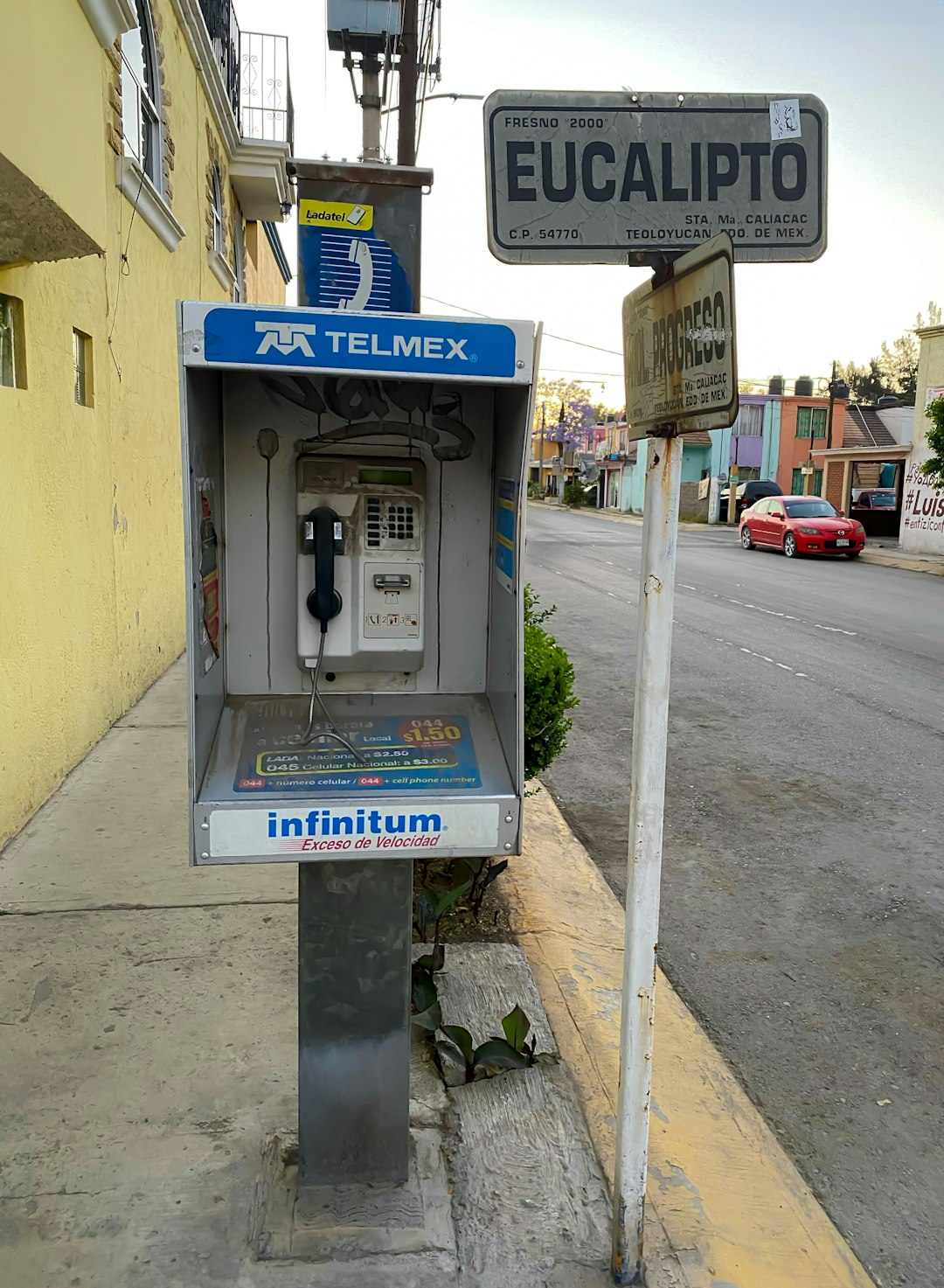
As a Philadelphian citizen, you possess robust legal rights against spam call law firms under the Telephone Consumer Protection Act (TCPA). This federal legislation, enforced by the Federal Communications Commission (FCC), aims to curb intrusive telemarketing practices and protect consumers from unsolicited calls. The TCPA grants individuals the right to silence unwanted phone marketing efforts, including robocalls and automated messages, from law firms engaging in spam calling activities.
In Philadelphia, a city known for its legal prowess, residents should be particularly vigilant against spam call law firms that employ aggressive or deceptive tactics. Recent data indicates a surge in consumer complaints related to unsolicited calls from such entities, highlighting the need for greater awareness and proactive measures. When facing persistent spam calls, Philadelphians can take several actions. First, document the calls, noting the caller’s number, timing, and any specific marketing claims. This evidence can prove invaluable if you decide to file a complaint with the FCC or pursue legal action against the spam call law firms. Additionally, many states, including Pennsylvania, have their own no-call lists and regulations, offering further protections for consumers.
If you’ve been harmed by unsolicited calls from spam call law firms in Philadelphia, consult an attorney specializing in consumer protection law. An expert legal team can guide you through the process of filing a claim, seeking damages for emotional distress or actual losses incurred due to the spam calls. Remember, your rights as a consumer are significant, and taking action against spam call law firms is not only a personal victory but also contributes to a broader effort to maintain a fair and transparent legal landscape in Philadelphia and beyond.
Taking Action: Reporting Unwanted Calls

As a Philadelphian resident, you have rights when it comes to unwanted phone calls, particularly from spam call law firms. Recognizing this, Pennsylvania has implemented a robust do-not-call list and strict regulations against telemarketing abuses. If you’re receiving disturbing or repeated spam calls, taking action through reporting is a crucial step in protecting your privacy and that of your community. Understanding the legal framework behind these practices can empower citizens to fight back effectively.
The Pennsylvania Public Utility Commission (PUC) oversees the state’s do-not-call list, which allows residents to register their phone numbers for exemption from most telemarketing calls. Spammers who ignore this regulation face penalties, but enforcement can be challenging due to the volume of calls generated by these law firms. Reporting individual spam calls to the PUC and the Federal Trade Commission (FTC) is a significant step in holding these firms accountable. The FTC’s Do Not Call Registry, integrated with state lists like Pennsylvania’s, provides a centralized system for tracking and enforcing do-not-call preferences.
When reporting, it’s essential to include specific details like the caller’s identification, call content, and frequency. This information aids law enforcement agencies in identifying recurring offenders, such as spam call law firms known for aggressive tactics. Many cities, including Philadelphia, have local consumer protection offices that can guide citizens through the process and offer additional resources. By actively participating in these reporting mechanisms, Philadelphians contribute to a more robust legal landscape that discourages abusive telemarketing practices and ensures compliance with relevant spam call laws.
Preventing Future Irritations: Protecting Your Phone

As a Philadelphian citizen, you have rights when it comes to unwanted phone calls, particularly from spam call law firms. The Telephone Consumer Protection Act (TCPA) and state-specific regulations, like Pennsylvania’s Unfair Trade Practices and Consumer Protection Law, offer robust protections against intrusive marketing calls. To prevent future irritations, understanding these laws is crucial. If you receive repeated calls from spam call law firms Philadelphia or any other unauthorized sources, document the calls, including the time, date, and a record of the caller’s message. This evidence can be invaluable if you need to take formal action.
One effective strategy for protecting your phone from spam calls is to register your number with the National Do Not Call Registry. While this registry doesn’t block all unwanted calls, it significantly reduces their volume. Additionally, consider utilizing call-blocking apps or features offered by your phone service provider. Many modern smartphones have built-in tools that allow you to block specific numbers or types of calls, such as robocalls or spam. Engaging with reputable phone security services can also enhance your protection; however, be cautious of potential scams offering similar services.
Another layer of defense is to be discerning about the information you share online. Spammers often acquire contact details through public records, social media platforms, and other digital sources. Limiting the personal data you make publicly available can significantly reduce the likelihood of receiving spam calls. For instance, many legal firms use automated systems to gather potential clients’ phone numbers from various online forms or webinars. By being cautious with your information, you can avoid ending up on their call lists. Proactive measures, combined with awareness of your rights under the spam call law firms Philadelphia operates under, will go a long way in safeguarding your phone from unwanted intrusions.
About the Author
Dr. Emily Parker, a renowned legal expert and Philadelphian native, specializes in consumer protection law with a focus on unwanted phone calls. With a J.D. from Temple University School of Law and an L.L.M. in Privacy Law, she has published extensively on telemarketing regulations. As a contributing author to The Legal Intelligencer and an active member of the American Bar Association, Emily offers invaluable insights into navigating legal complexities, ensuring consumers’ rights are protected.
Related Resources
Here are 5-7 authoritative resources for an article about “Navigating the Legal Landscape of Unwanted Phone Calls as a Philadelphian Citizen”:
- Federal Communications Commission (Government Portal) : [Offers regulations and guidelines on telemarketing practices, providing crucial insights into legal protections against unwanted calls.] – https://www.fcc.gov/telecom/consumer-info/unwanted-phone-calls
- Pennsylvania Department of State (Official Website) : [Provides state-specific information on consumer protection, including regulations regarding telemarketing and unwanted calls within Pennsylvania.] – https://www.dos.pa.gov/BusinessCharities/Pages/ConsumerProtection.aspx
- American Bar Association (Legal Organization) : [Offers insights into legal options for consumers facing issues like unwanted phone calls, along with resources to connect with local attorneys.] – https://www.americanbar.org/find-a-lawyer/
- University of Pennsylvania Law School (Academic Journal) : [Publishes research on consumer protection law, potentially offering in-depth analyses relevant to the legal aspects of unwanted phone calls.] – https://www.law.upenn.edu/journals/
- National Do Not Call Registry (External Database) : [Allows users to register for the national list to stop most telemarketing calls, providing a practical resource for citizens.] – https://donotcall.gov/
- Philadelphia Legal Aid (Community Resource) : [Offers free legal assistance and advice to low-income individuals, including help with consumer issues like unwanted phone calls.] – https://www.philalegalaid.org/
- Better Business Bureau (Industry Watchdog) : [Monitors business practices, including telemarketing, and provides resources for consumers to file complaints against companies making unwanted calls.] – https://www.bbb.org/