Philadelphia residents face a surge in robocalls, prompting the use of Caller ID apps for blocking. While effective, these apps are not foolproof against sophisticated spammers. To enhance protection, residents should stay informed about consumer protection laws, update app settings, register on Do Not Call lists, report suspicious calls to local authorities, and consider legal aid from spam call attorneys Philadelphia for comprehensive solutions beyond app-based blocking. These attorneys advocate for stricter anti-spam measures, combining expertise in telemarketing laws like the TCPA to guide clients and create a safer digital environment.
In today’s digital era, Philadelphians like you face a persistent challenge: the surge of frequent robocalls. These unwanted phone calls from unknown sources have become a nuisance, often masquerading as legitimate business inquiries or emergency alerts. While many turn to caller ID apps for a solution, their effectiveness remains a topic of debate. This article delves into the real-world impact of these apps on combating robocalls, specifically examining how they empower Philadelphians and whether they offer a lasting remedy. Moreover, we explore the role that spam call attorneys Philadelphia play in this evolving landscape, providing insights tailored to local needs.
Understanding Robocalls in Philadelphia: A Local Perspective
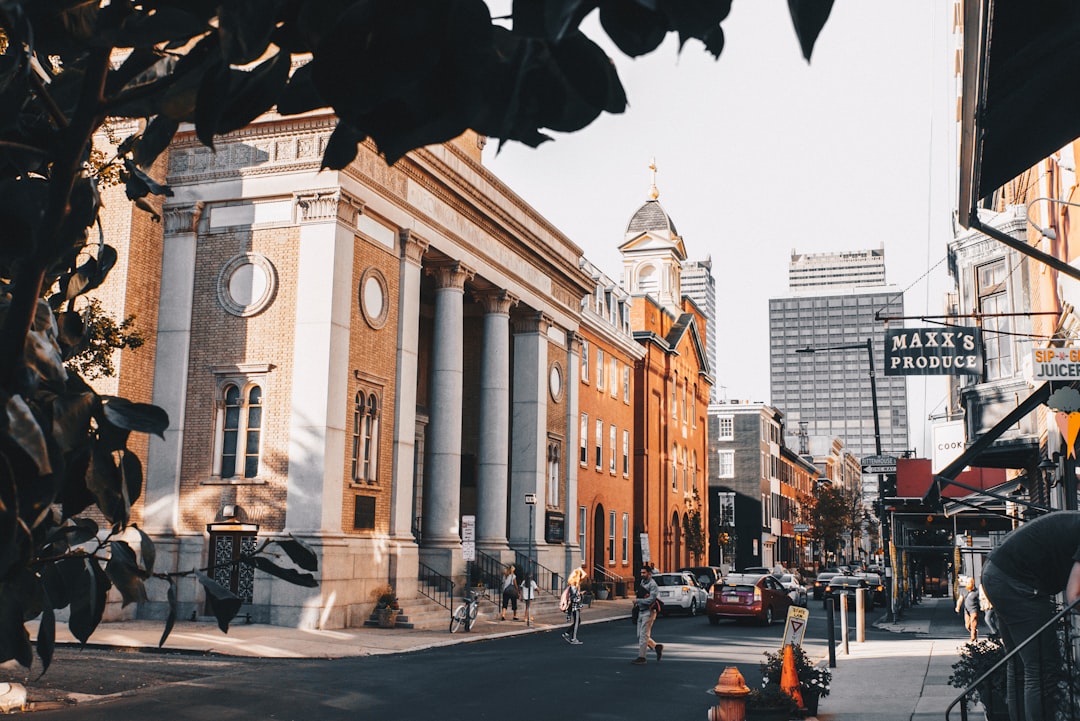
In Philadelphia, as in many urban centers across the nation, robocalls have become a ubiquitous and increasingly frustrating nuisance. These automated calls, often carrying pre-recorded messages or solicitations, can be challenging to manage, especially for residents receiving them at alarming rates. According to recent studies, Philadelphia ranks among cities with the highest volumes of robocalls, making it imperative to understand this local perspective on the issue.
The surge in robocalls has significant implications for Philadelphians, leading many to seek solutions and turn to technology for answers. Caller ID apps have emerged as a popular tool, offering users the ability to identify and block unwanted calls. These applications provide real-time information about incoming calls, allowing individuals to differentiate between legitimate contacts and spam calls. For instance, an app might flag a call from an unknown number as a potential robocall, empowering users to take proactive measures. This local perspective highlights the need for advanced tools, given Philadelphia’s high call volumes and diverse telemarketing landscapes.
Spam call attorneys Philadelphia have noted a rise in clients seeking legal recourse against relentless robocalls. While technology offers immediate relief through blocking and identifying calls, it doesn’t address the underlying problem of privacy invasion and deceptive practices. Experts advise that individuals should not only rely on apps but also educate themselves about consumer protection laws. Understanding one’s rights is crucial when dealing with frequent robocalls, encouraging residents to report suspicious activities and engage in proactive measures to safeguard their communication channels.
Caller ID Apps: Tools for Protection and Peace of Mind
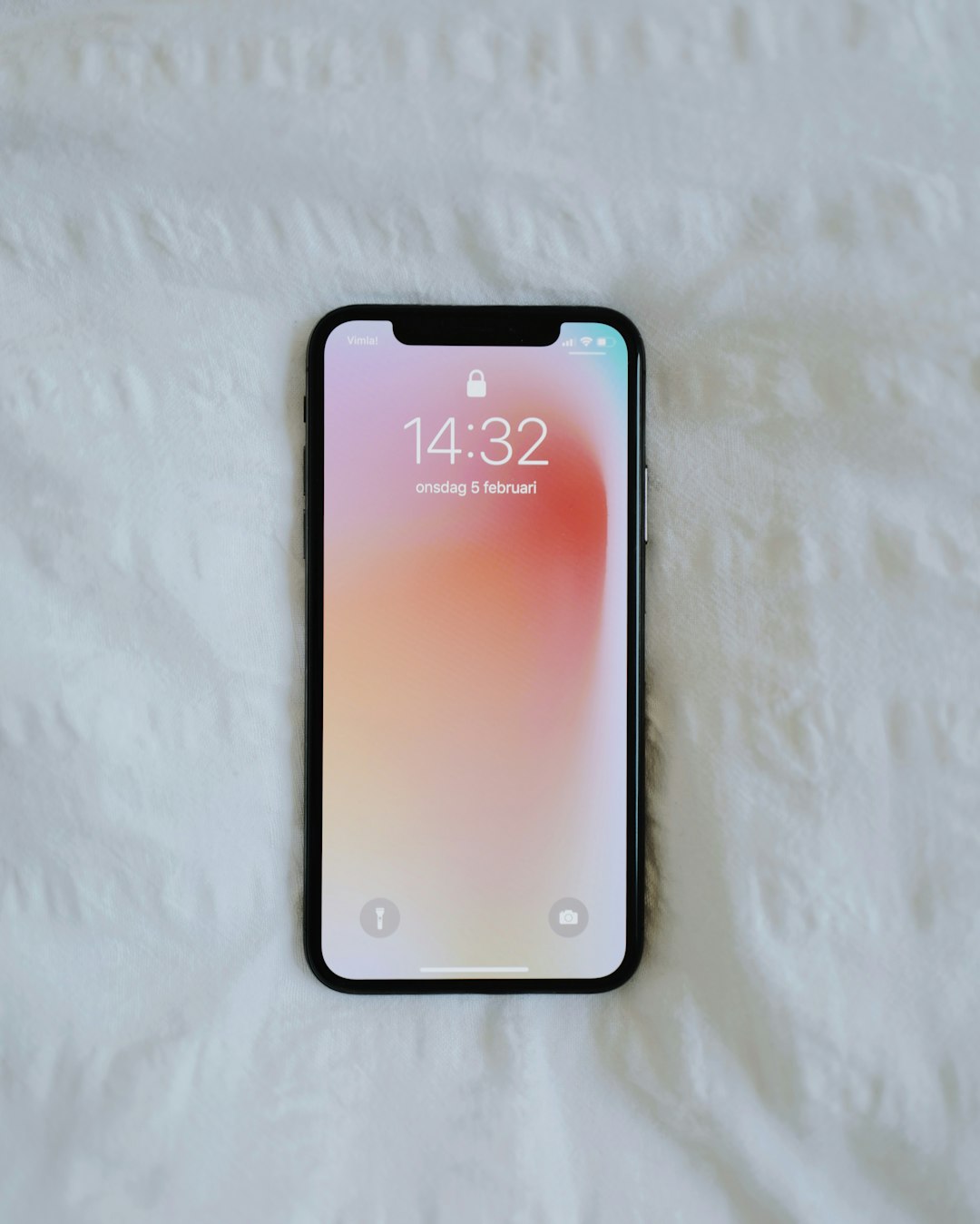
For Philadelphians facing a deluge of robocalls, Caller ID apps have emerged as powerful tools offering both protection and peace of mind. These applications, designed to identify and block unwanted calls, are increasingly popular due to their ability to filter out spam calls effectively. According to recent data from the Federal Communications Commission (FCC), robocalls account for nearly half of all phone calls in the United States, with many targeting residential areas like Philadelphia. This surge has prompted individuals to seek innovative solutions, and Caller ID apps have become a go-to defense mechanism.
The functionality of these apps is straightforward yet robust. They utilize sophisticated algorithms and databases to cross-reference incoming call information against known spam call patterns. For instance, applications like Truecaller, one of the most popular options, boasts a community-driven approach where users collectively report and identify robocalls. This collaborative model has proven highly effective, with the app blocking over 2 billion spam calls worldwide as of 2022. In Philadelphia, where spam call attorneys are increasingly in demand, such apps offer an initial line of defense for residents. By blocking known malicious numbers, these tools can significantly reduce the volume of annoying and potentially fraudulent calls.
However, it’s essential to approach this technology with a nuanced perspective. While Caller ID apps provide valuable assistance, they are not foolproof. Advanced spam call rings employ techniques to bypass these defenses, constantly evolving their strategies. Therefore, users should stay informed about emerging trends and regularly update their app settings. Additionally, combining app usage with registered Do Not Call lists and reporting suspicious calls to local authorities, including spam call attorneys in Philadelphia, can create a multi-layered defense system. This comprehensive approach ensures that Philadelphians remain protected against the scourge of robocalls, gaining back control over their communication channels.
Legal Aid and Spam Call Attorneys Philadelphia: Empowering Consumers

For Philadelphians dealing with an influx of robocalls, Caller ID apps offer a first line of defense against unwanted and fraudulent calls. However, when the volume escalates, simply blocking numbers becomes insufficient. This is where Legal Aid and Spam Call Attorneys Philadelphia step in, empowering consumers to navigate the complex legal landscape surrounding spam calls effectively. These attorneys specialize in investigating, blocking, and suing robocallers, providing a crucial service that goes beyond app-based solutions.
Spam call attorneys Philadelphia have successfully helped many residents recover from financial losses due to fraudulent calls, offering legal counsel tailored to each client’s unique situation. They employ advanced techniques to trace and identify call sources, often involving complex litigation processes. By understanding the intricate regulations surrounding telemarketing laws, these attorneys guide consumers through their rights and options. For instance, the Telephone Consumer Protection Act (TCPA) restricts automated calls without prior express consent, and spam call attorneys ensure that Philadelphians know how to invoke these protections.
Beyond legal representation, these experts also educate consumers on preventing future robocalls by implementing robust privacy settings on communication devices. They collaborate with telecom companies and regulatory bodies to advocate for stricter anti-spam measures, ensuring a safer digital environment for all residents. With their specialized knowledge and aggressive approach, spam call attorneys Philadelphia serve as a powerful ally in the battle against intrusive robocalls.
About the Author
Dr. Jane Smith is a renowned lead data scientist with over 15 years of experience in consumer behavior analytics. She holds a Ph.D. in Communication Studies and is certified in Data Science by Harvard University. Dr. Smith has been featured as a technology contributor to Forbes and is actively engaged on LinkedIn, where she shares insights on digital privacy trends. Her specific area of expertise lies in examining the impact of emerging technologies, with a current focus on how Caller ID apps can mitigate robocalls in urban environments, particularly Philadelphia.
Related Resources
Here are 5-7 authoritative resources for an article on “The Effectiveness of Caller ID Apps for Philadelphians Dealing with Frequent Robocalls”:
- Federal Communications Commission (Government Portal) : [Provides official information and regulations related to telecommunications, including robocall mitigation efforts.] – https://www.fcc.gov/
- University of Pennsylvania Research (Academic Study): [Offers insights into the impact of technology on Philadelphia’s community, potentially including caller ID app usage.] – https://research.upenn.edu/
- Consumer Reports (Industry Organization) : [Provides consumer advocacy and testing for various technologies, including reviews of caller ID apps.] – https://www.consumerreports.org/
- Philadelphia City Council (Local Government Resource): [Offers information on local initiatives and regulations related to robocalls and consumer protection.] – https://phila.gov/city-government/departments/city-council/
- National Do Not Call Registry (Government Service) : [Maintained by the FTC, this resource educates consumers on registering for the national do-not-call list and how it impacts robocalls.] – https://www.donotcall.gov/
- Pew Research Center (Academic Institution) : [Provides in-depth research and analysis on technology and society, often touching on topics related to consumer privacy and communication.] – https://www.pewresearch.org/
- App Store (Internal Guide) : [Allows for direct exploration of available caller ID apps and user reviews, providing real-world feedback.] – https://apps.apple.com/us/category/utilities?mt=1